25 April 2026

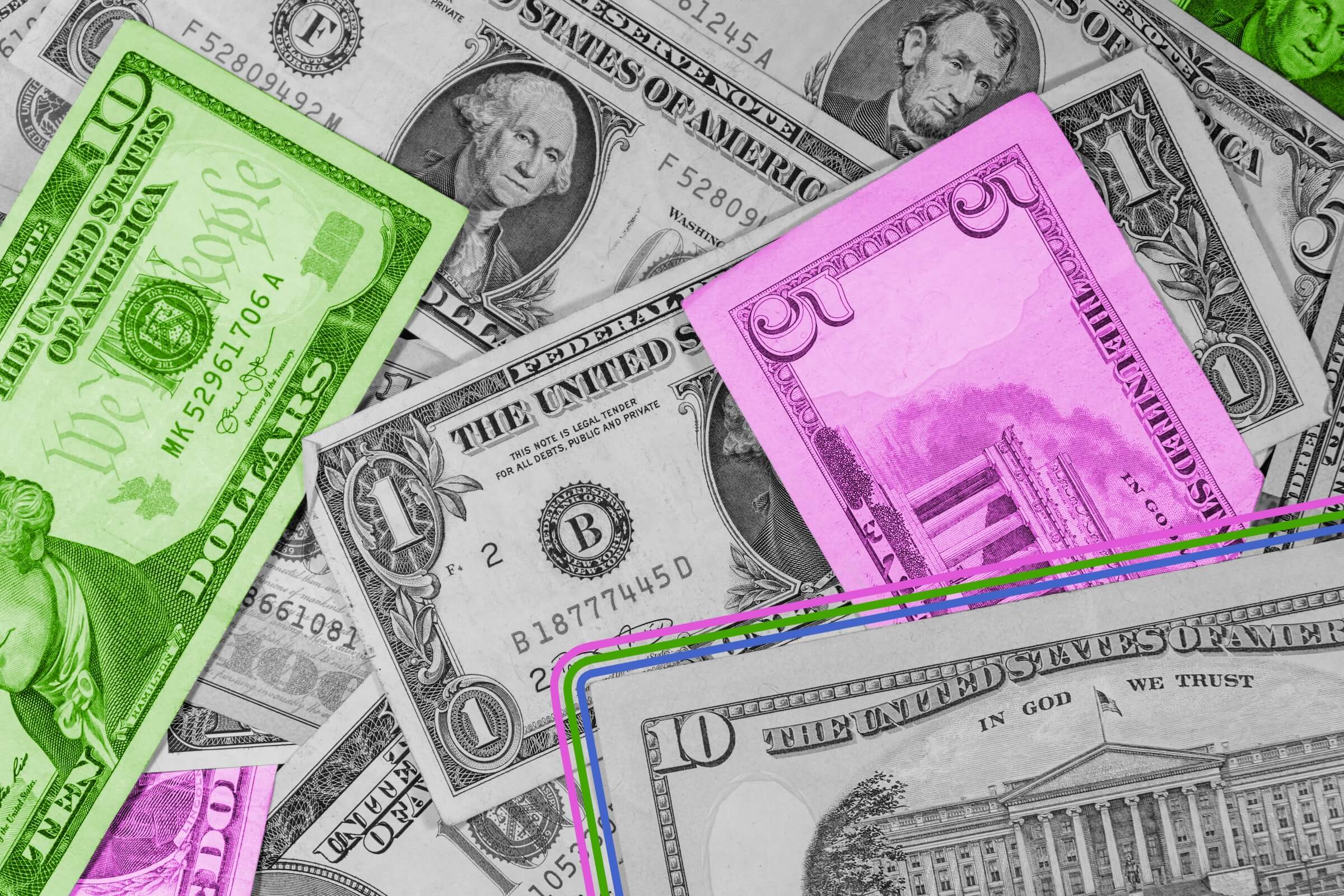
What’s the only non-D.C. building on U.S. money?

Most U.S. bills stick to monuments in the nation’s capital.

April 25, 2026

Original photo by OlyaSolodenko/ iStock

Only one building outside Washington, D.C., is featured on U.S. banknotes.

There’s only one real place outside the nation’s capital that you’ll see featured on some of the seven U.S. banknotes currently in circulation. Most bills commemorate D.C. landmarks — the Lincoln Memorial, the White House, the Capitol, and the Treasury. But two banknotes buck that trend.

Continue Reading →

The Easiest Mother’s Day Gift Run You’ll Ever Make

Moms have a way of making you feel taken care of, and Mother’s Day is the chance to return the favor. CVS has what you need, from personalized photo books and premium chocolates to beauty essentials, flowers, and cards. Free ExtraCare Rewards members unlock even more savings. Use code SITEWIDE40 for 40% off photo gifts through May 2.

Shop Now

*This content is brought to you by our sponsor, which helps keep our content free.

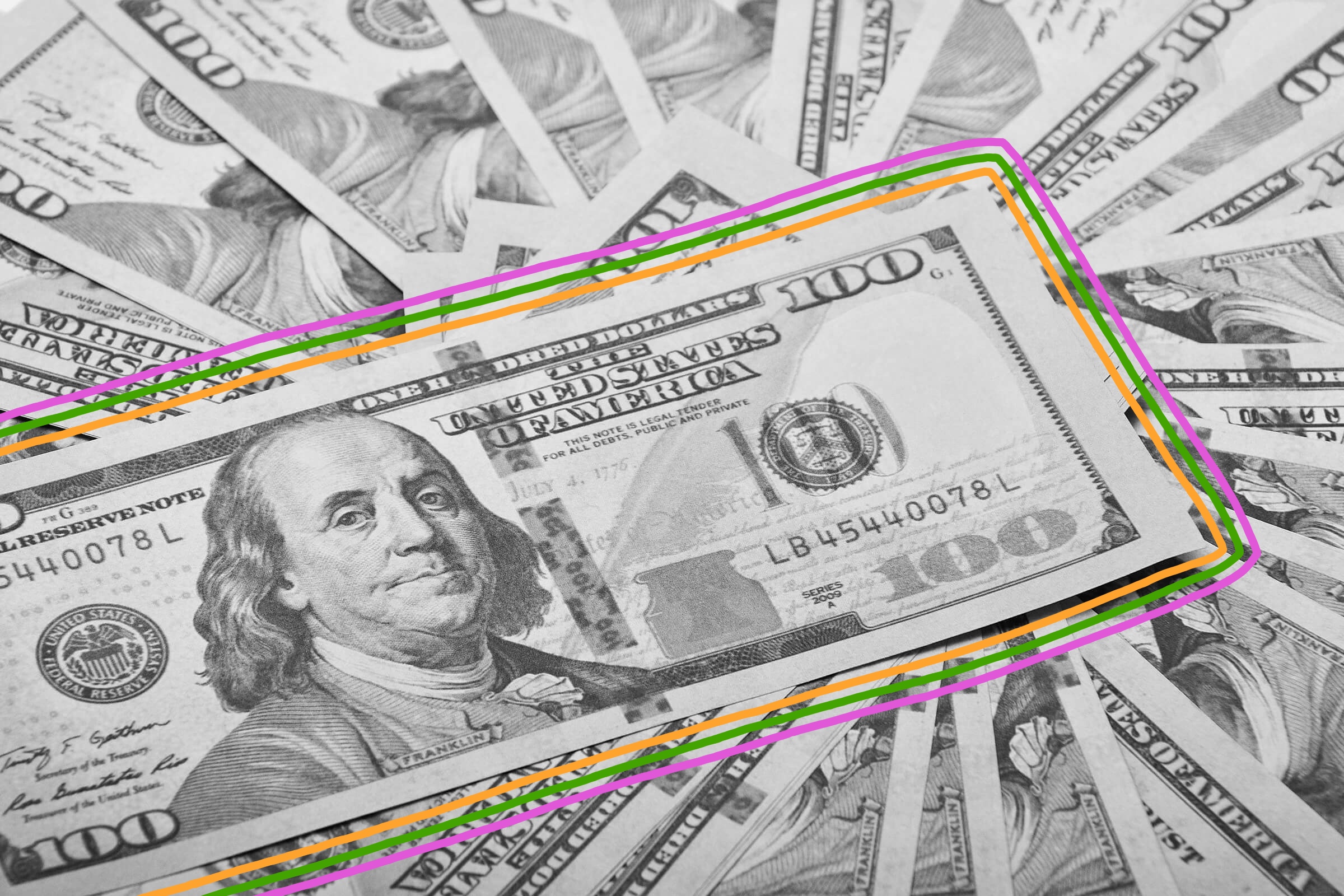
$100 is the highest legal denomination in U.S. dollars.

The first U.S. banknotes were created in response to the __.


No one knows when the Liberty Bell cracked.

Lots of myths surround the Liberty Bell, which hung in the bell tower of Independence Hall for nearly a century (and whose image is also woven into the $100 bill as a security measure). One myth explains how the bell pealed on July 4, 1776, which likely isn’t true; another says it cracked in 1835 to announce the death of Chief Justice John Marshall (also not true). The story of the Liberty Bell begins in 1751; it was originally cast by a foundry in London, but cracked on its first test ring in Philadelphia. Metalworkers melted it down and cast a new one, which is the Liberty Bell we know today. For 90 years, the Liberty Bell alerted Philadelphians of news or, in Benjamin Franklin’s case, to go to work, as he once wrote in a letter: “The Bell rings, and I must go among the Grave ones, and talk Politicks.” No one recorded when or how the Liberty Bell began to crack, but the most likely reason is the most simple — hard use and time. What historians do know is that metalworkers tried to repair the crack for George Washington’s birthday in 1846, but only made the damage worse. Today, no one alive has heard the Liberty Bell ring with its original clapper, but a digital recreation of the bell’s sound can help transport you back to the early days of the republic.

Today's edition of Interesting Facts was written by Darren Orf and edited by Bess Lovejoy.

 
We love to collaborate. To learn more about our sponsorship opportunities, please connect with us here.
325 North LaSalle Street, Suite 200, Chicago, IL 60654
Advertisements powered by LiveIntent • AdChoices

Tidak ada komentar:

Posting Komentar