16 April 2026

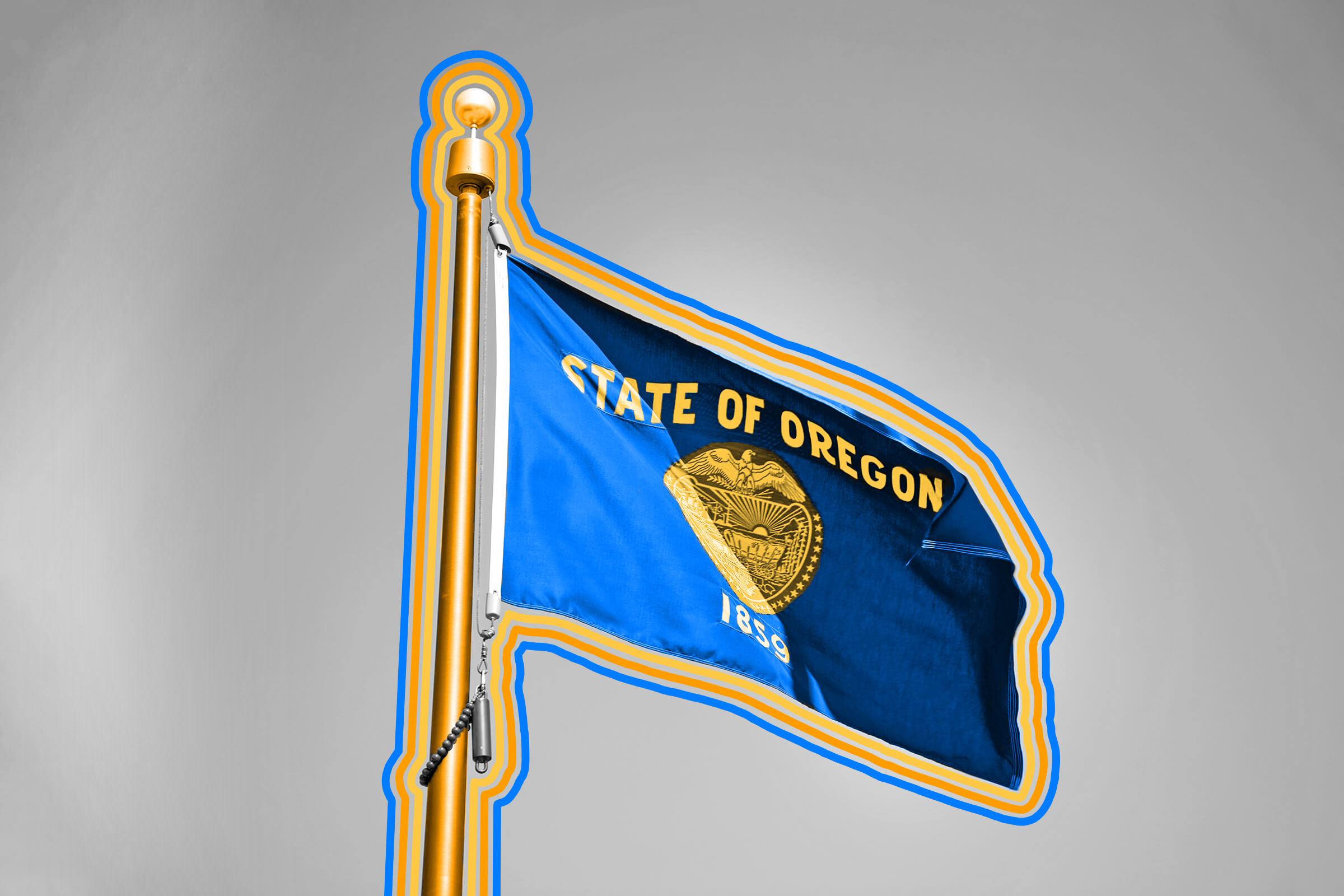
The most unusual state flag in the U.S.

It seems unremarkable at first glance, but don’t let that fool you.

April 16, 2026

Original photo by Buddy Mays/ Alamy Stock Photo

Only one state flag has a design on both the front and back.

Many state flags have some strange quirks. The Virginia flag, for example, contains some tasteful nudity (thanks to its depiction of the famously bare-chested Amazons), and Maryland’s flag — a concoction of red crosses and black-and-yellow block patterns — looks more at home on a medieval battlefield than in 21st-century Annapolis. But the Beaver State has one of the most unusual flags of them all.

Continue Reading →

Together with

What Everyone Over 50 Should Know About AARP

Life doesn’t slow down after 50, but it looks different. New expenses, new questions, and new priorities. AARP membership gives you discounts, travel deals, prescription savings, fraud protection, and a seat at the table on issues that matter, like Social Security and Medicare. And now, you can join and get your first year for $15 with auto-renew.

Join AARP Today

*This content is brought to you by our sponsor, which helps keep our content free.

Landlocked Paraguay has no navy.

The only things on Alaska’s state flag are the __ constellation and the North Star.


No one knows for sure where the word “Oregon” originated.

The origin of the word “Oregon” is still a mystery, but not for lack of trying. Historians and linguists have offered up several possible solutions, though no definitive answer exists. The first reference to a similar word appears on a 1715 French map naming the Wisconsin River as “Ouaricon-sint.” The French also referred to the Columbia River, which borders northern Oregon, as “Le Fleuve aux Ouragans” (“Hurricane River”). Other theories for the origin of the term connect it to the herb oregano (although the reason for the link is unclear), Aragon (a French synonym for Spain), or a portmanteau of the Shoshone words ogwa, meaning “river,” and pe-on, meaning “west.” But the leading theory comes from a 1765 proposal to King George III from a colonial major named Robert Rogers, asking for funds to find the elusive Northwest Passage by means of exploring “the River called by the Indians Ouragon.” The word “ouragon” was likely derived from the Mohegan word wauregan, meaning “the beautiful.” Originally, the Mohegans, a tribe based in Connecticut, used the word to describe the Allegheny-Ohio River, but Rogers’ experience using Mohegans as troops during the French and Indian War (1754–1763) possibly influenced his description of a watery pathway to the Pacific, perhaps because he thought using a transplanted but “authentic” Indigenous name would strengthen his request for funds.

Today's edition of Interesting Facts was written by Darren Orf and edited by Bess Lovejoy.

 
We love to collaborate. To learn more about our sponsorship opportunities, please connect with us here.
325 North LaSalle Street, Suite 200, Chicago, IL 60654

Tidak ada komentar:

Posting Komentar

Comfy Gifts for Mother’s Day 💞

Perfect for gifting. Even better for keeping. ͏  ͏  ͏  ͏  ͏  ͏  ͏  ͏  ͏  ͏  ͏  ͏  ͏  ͏  ͏  ͏  ͏  ͏  ͏  ͏  ͏  ͏  ͏  ͏  ͏  ͏  ͏  ͏  ͏  ͏  ͏ ...