28 April 2026

How many breaths do you take in a day?

It’s probably more than you think.

April 26, 2026

Original photo by Davizro/ iStock

People breathe roughly 20,000 times every day.

If we could track our breaths the way many people do steps or exercise, the results would be astonishing. While there’s no app for that, scientists estimate that an average adult takes 20,000 to 25,000 breaths over the course of 24 hours. That adds up to a shocking number by age 50.

Continue Reading →

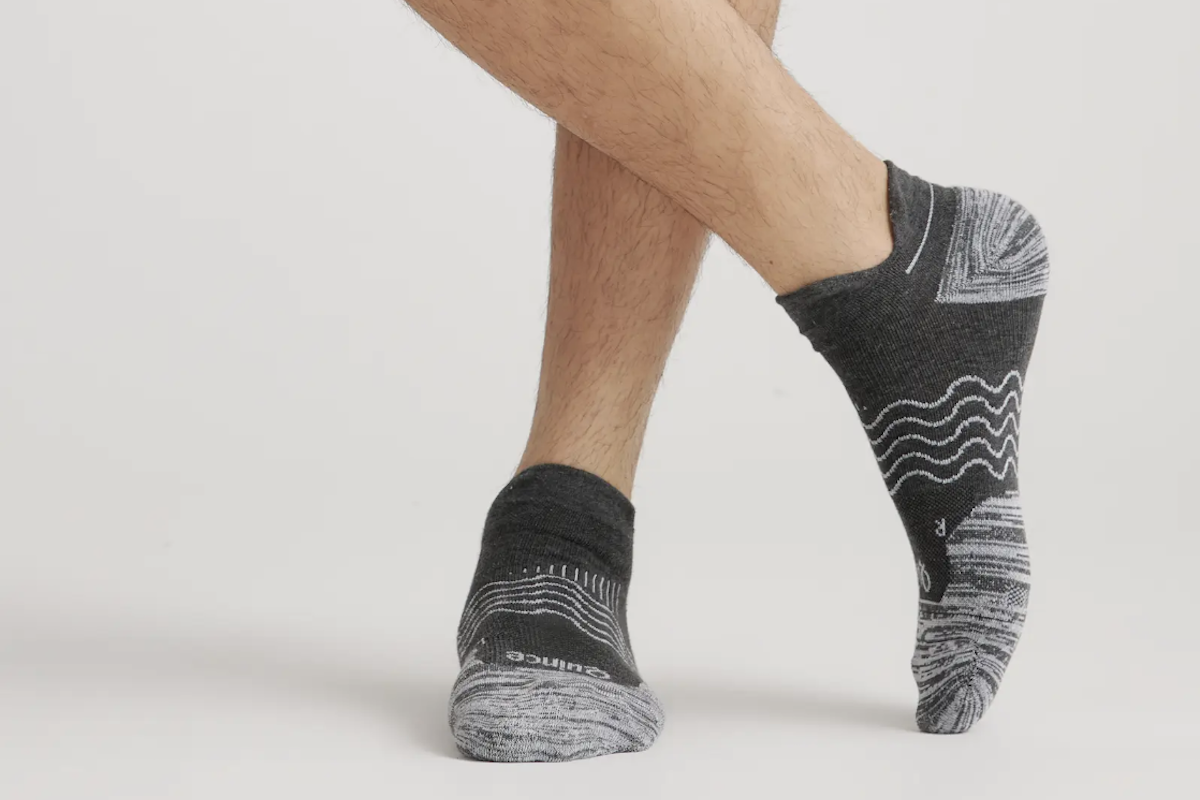
Why Your Feet Need These Socks

Looking to put your best foot forward? Quince has seen to every detail. Made of a blend of organic cotton, nylon, and spandex, their socks are designed with an ultra-soft cushioned footbed and springwave arch support to provide extra comfort to your soles and midfoot. A Y-stitched heel and seamless toe ensure a perfect fit with no irritation for even the longest of runs.

Shop Now

*This content is brought to you by our sponsor, which helps keep our content free.

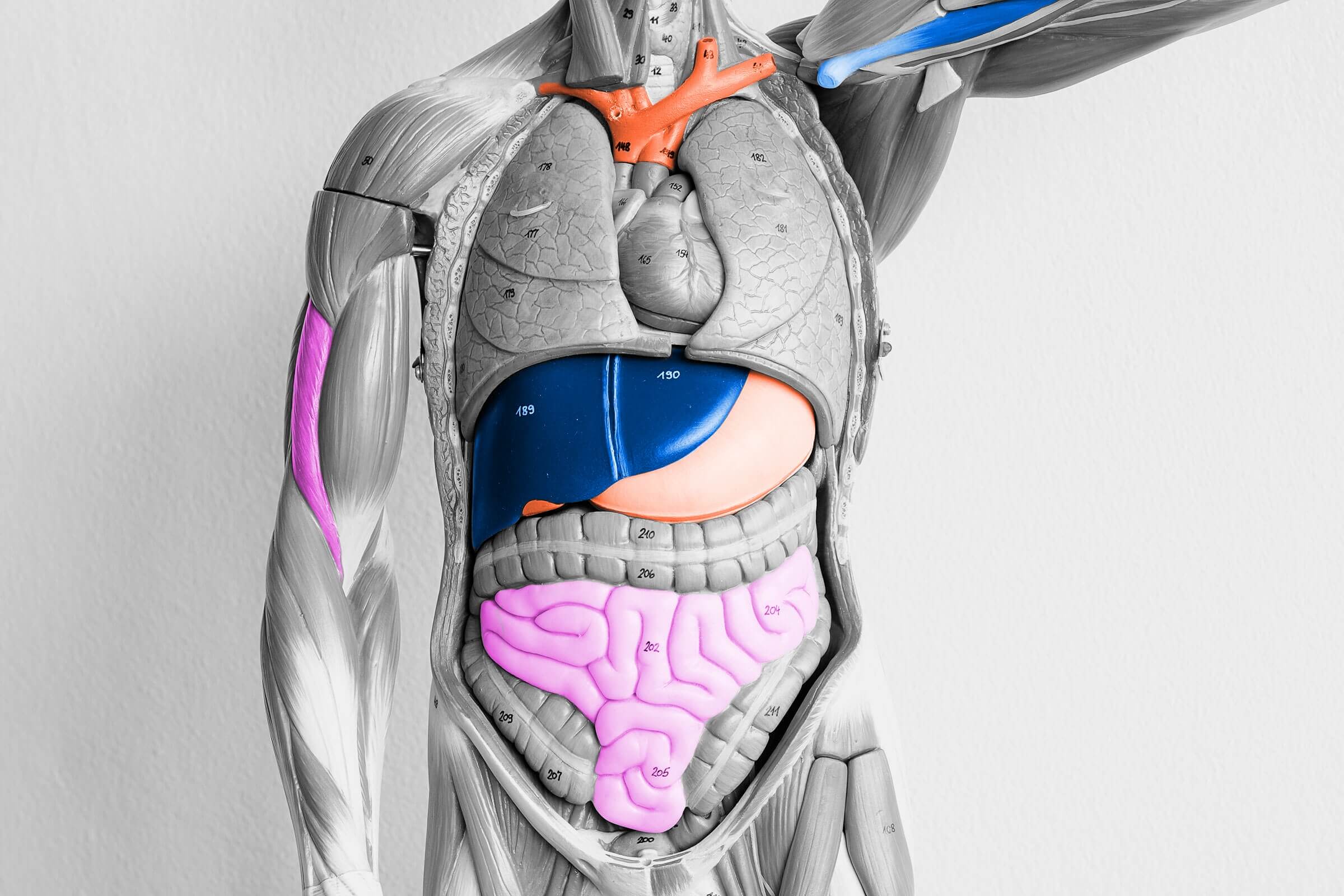
Your left lung is smaller than your right lung.

The aptly named __ has both gills and lungs, used to breathe in and out of water.


Scientists have found parasites that don’t need oxygen.

Breathing is a requirement for most living creatures on Earth, except one: a parasitic, water-dwelling blob called the Henneguya salminicola. In 2020, a group of scientists from Israel, France, and the U.S. announced they had discovered that the parasite — which is microscopic and typically infects salmon — doesn’t appear to breathe. In fact, it could be the only known nonbreathing animal on the planet. H. salminicola belongs to the same family as jellyfish, which do breathe by absorbing the oxygen in water directly through their skin; however, H. salminicola lacks mitochondrial DNA, a part of the DNA sequence that turns oxygen into fuel to power the body’s cells. Earth is home to many simple, single-celled organisms (like yeast and bacteria) that don’t need to breathe, but H. salminicola stands out because it’s the first known multicellular animal that’s not dependent on oxygen — and researchers aren’t sure why. One theory is that the parasite could get the power it needs to survive by stealing protein from its fish hosts.

Today's edition of Interesting Facts was written by Nicole Garner Meeker and edited by Bess Lovejoy.

 
We love to collaborate. To learn more about our sponsorship opportunities, please connect with us here.
325 North LaSalle Street, Suite 200, Chicago, IL 60654
Advertisements powered by LiveIntent • AdChoices

Tidak ada komentar:

Posting Komentar

Security alert

...