19 Maret 2026

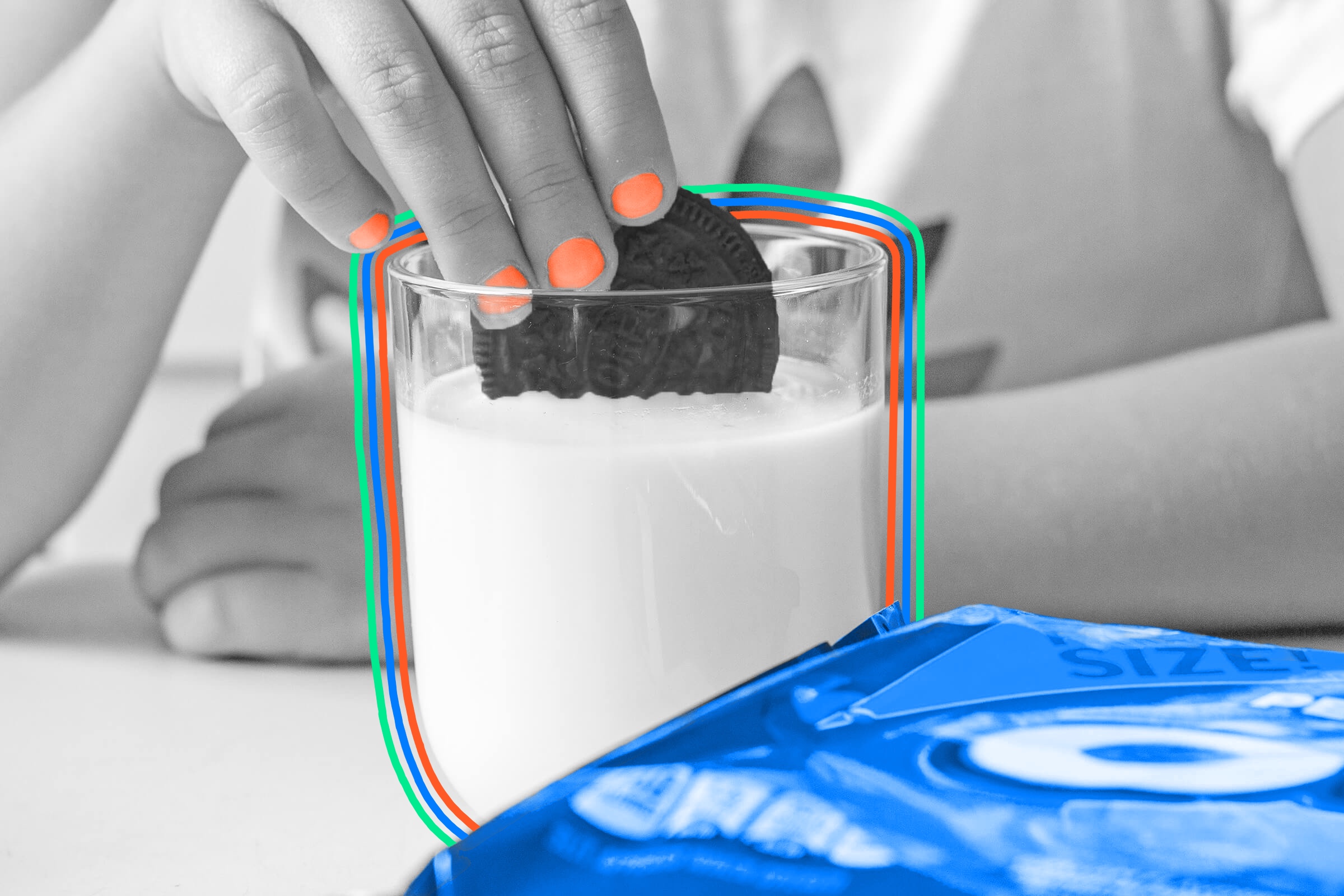
The science behind the perfect Oreo dunk

There's a right way to dunk a cookie in milk.

March 19, 2026

Original photo by Dmitry Kuzmenko/ Unsplash

Scientists have studied the ideal amount of time to dunk an Oreo in milk.

Milk and cookies go together like peanut butter and jelly, salt and pepper, Barbie and Ken. That's especially true when it comes to Oreos. The brand's packaging proudly proclaims it's "milk's favorite cookie," and commercials over the years have featured parents teaching their children how to eat an Oreo: twist, lick, dunk. (That's another one of the cookie's slogans.) However, there is a right way and a wrong way to dunk an Oreo in milk, according to scientists.

Continue Reading →

The Hearing Aid Secret Audiologists Don't Want You To Know

Big companies charge thousands for hearing aids. But guess what? You don't have to pay that much! Oricle Hearing gives you crystal-clear sound, wireless charging, and all-day battery life for under $100. No doctor visits, no outrageous prices — just amazing hearing at an unbeatable deal. More than 217,734 happy customers are already loving their new way of hearing. Don't let overpriced hearing aids hold you back. Order yours today.

Learn More

*This content is brought to you by our sponsor, which helps keep our content free.

Oreos are a copy of another cookie.

The first "Got Milk?" ad, in 1993, was directed by __.


Stop Wasting Money on Razors and Waxing Appointments

Think about it: Razor cartridges cost $30+ per month. Waxing appointments? Around $50 to $100 every few weeks. That's over $1,000 a year just to remove hair! The Glabrous Skin Epilator pays for itself after just one use. This compact, wireless device removes hair at the root for up to six weeks of smoothness, right from home.

Learn More

*This content is brought to you by our sponsor, which helps keep our content free.

All humans used to be lactose intolerant.

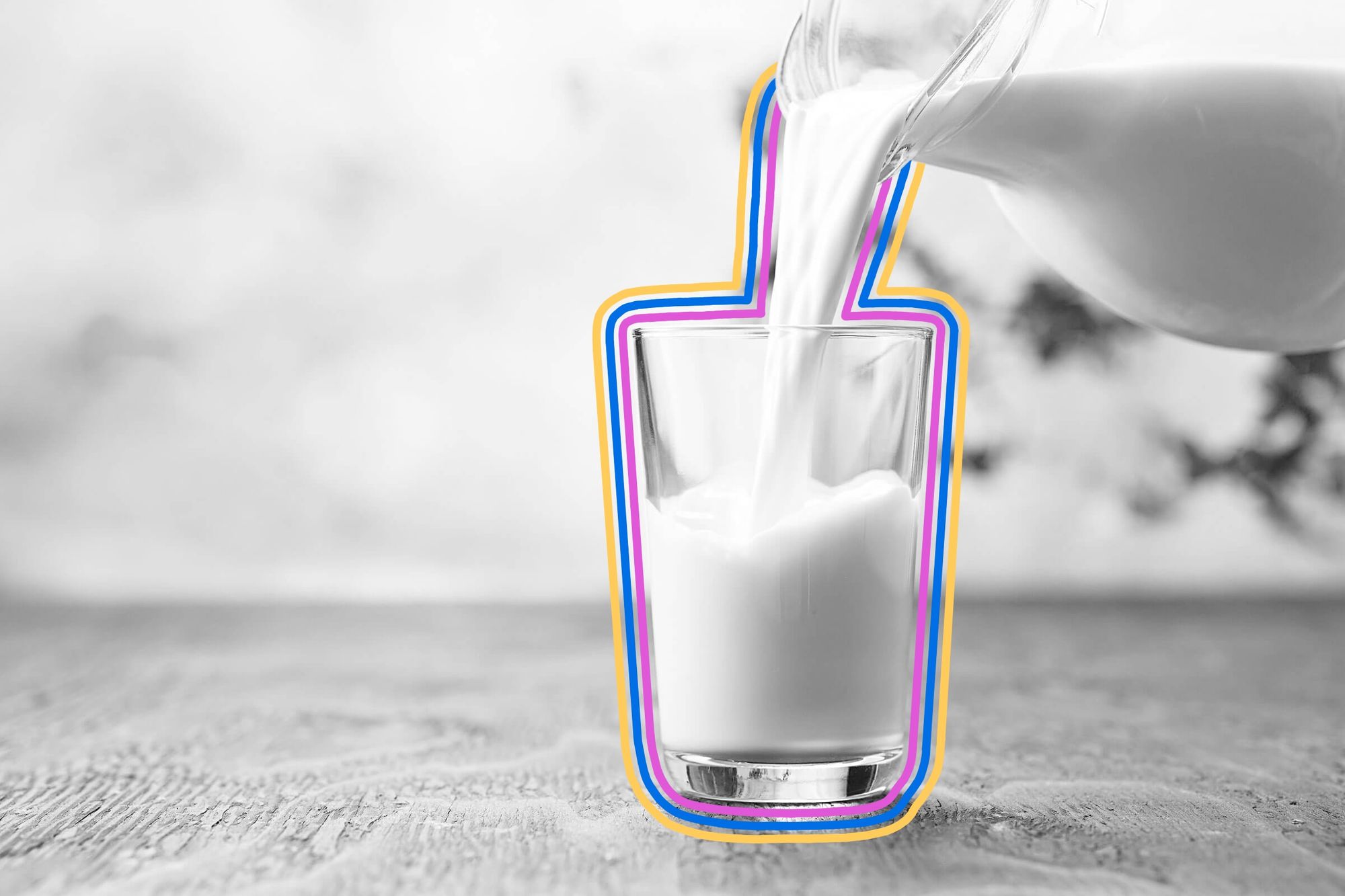
All mammalian young produce an enzyme known as lactase, which allows babies to digest lactose, a naturally occurring sugar found in milk (human or otherwise). As mammals age, their bodies naturally produce less and less lactase, until eventually milk sugars are no longer digestible. But around 10,000 BCE, a genetic mutation in humans took hold near modern-day Turkey that effectively kept human lactase production permanently set in the "on" position. According to some anthropologists, this gave certain cultures a distinct advantage, since this new lactose tolerance added a pool of easily accessible calories to the human diet. A 2015 study looking at the DNA of Eurasians who lived between 6500 BCE and 300 BCE shows that Russian steppe herders likely introduced the mutation to Western Europe. However, humanity's ability to digest milk isn't as widespread as you might think. The U.S. Department of Health and Human Services estimates that 68% of the world's adult population experiences "lactose malabsorption," and those percentages are particularly high in Asia and Africa.

Today's edition of Interesting Facts was written by Darren Orf and edited by Bess Lovejoy.

 
We love to collaborate. To learn more about our sponsorship opportunities, please connect with us here.
325 North LaSalle Street, Suite 200, Chicago, IL 60654

Tidak ada komentar:

Posting Komentar

Why You Should Embrace the Early Bird Dinner

Sitting down to supper before the sun goes down may have some perks. ...