24 Februari 2026

Your body is younger than you think

Make every day more interesting. Each day a surprising fact opens a world of fascinating information for you to explore. Did you know that….?

February 24, 2026

Original photo by jijomathai/ Adobe Stock

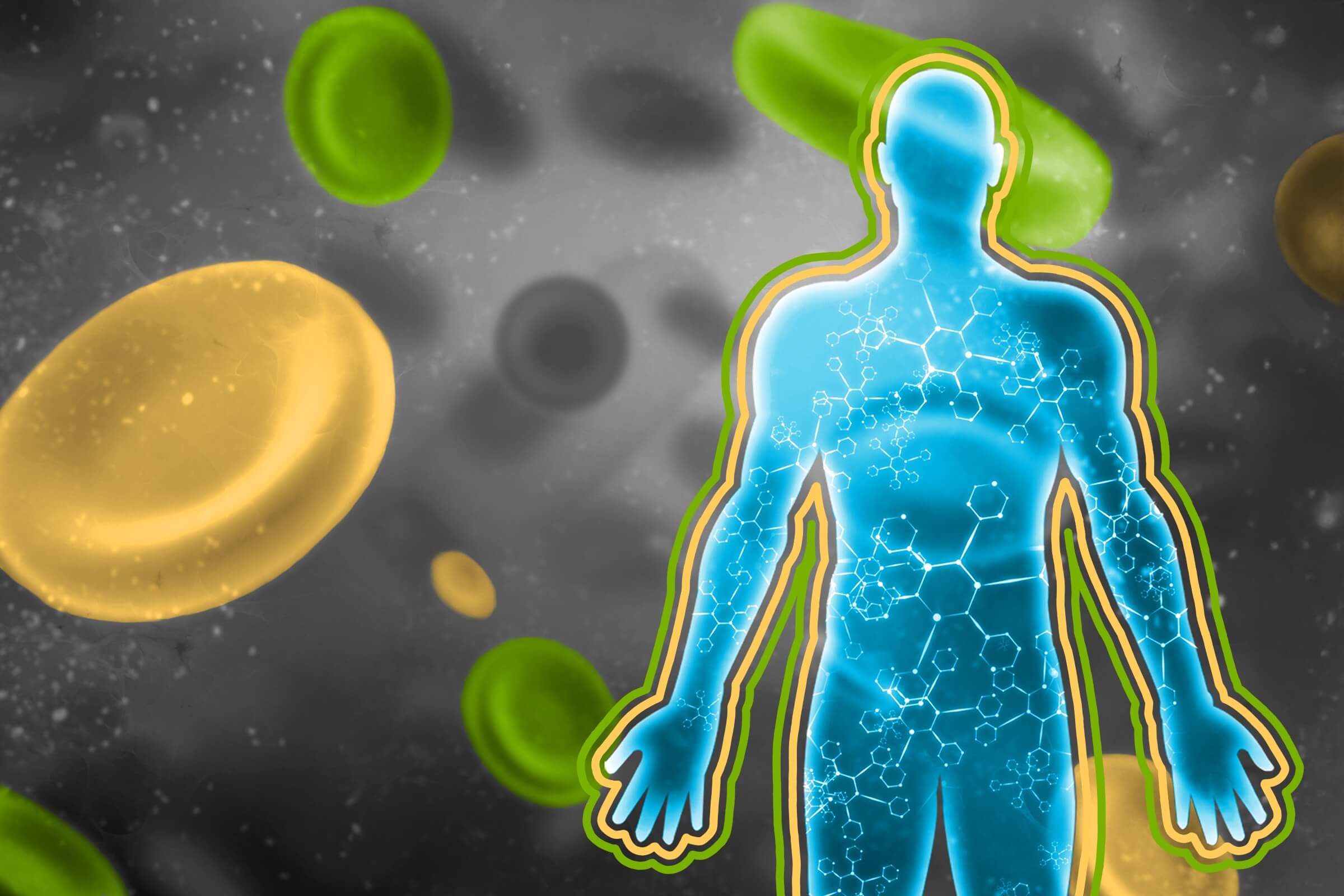
Most of your body is probably no more than 10 years old.

Even though you experience life as a continuous, unchanging flow of time, most of the cells in your body are constantly being renewed. Through a process called cell turnover, old cells die and are replaced by new ones, meaning much of your biological makeup is far younger than your chronological age.

Aging still occurs because some cells don't regenerate, renewal slows in certain tissues, and even new cells can experience wear and tear over time. Nonetheless, on average, the cells in an adult human body are estimated to be only 7 to 10 years old — so even in middle age, much of your body is biologically closer to that of a child than to that of an elderly adult.

Scientists have been able to estimate cellular ages thanks to carbon-14, a naturally occurring radioactive form of carbon that entered the atmosphere in large quantities during above-ground nuclear weapons testing in the mid-20th century. When cells divide, carbon-14 from the environment becomes permanently embedded in their DNA, effectively "dating" the moment each cell was born. By measuring the carbon-14 levels of different tissues, researchers can determine how often various parts of the body renew themselves.

The pace of renewal isn't uniform across all tissues. For example, skin cells regenerate roughly every few weeks, the gut lining every few days, red blood cells about every four months, and liver cells approximately every year. Then there are cells — including most neurons in the brain's cerebral cortex and the eyes' inner lens cells — that can last an entire lifetime. Because some critical cells don't regenerate and other new cells gradually accumulate damage, the body experiences functional decline and aging, even as most cells continue to turn over.

The Science Behind the Pet Bond

Spending time with pets can increase levels of oxytocin, often called the "bonding hormone." That connection is part of why pets feel like family. Highly rated by MarketWatch and Clearsurance, Lemonade pet insurance makes protecting your pet (and your wallet) simple, with fast sign-ups and quick claims, so you can plan for the unexpected.

Get a Quote

*This content is brought to you by our sponsor, which helps keep our content free.

Inner-ear hair cells that let humans hear are never replaced.

Long after pregnancy, a mother's body can still contain cells from the fetus, a phenomenon known as __.


Your sense of taste depends on some of the fastest-renewing cells in your body.

Like other cells in your body, the specialized cells in taste buds — the taste receptor cells that detect sweet, bitter, salty, sour, and umami flavors — are continually replaced throughout your lifetime. Those cells live only about eight to 12 days before being shed and replaced by new cells produced from progenitor cells in the tongue epithelium, the thin layer of tissue covering the surface of the tongue. That rapid turnover helps explain why illnesses, injuries, or aging can temporarily alter taste perception. Because each new taste cell must form connections with nerves to transmit flavor information, anything that affects cell production or differentiation — including infections, inflammation, or age‑related changes — can cause shifts in your experience of how foods taste.

Today's edition of Interesting Facts was written by Kristina Wright and edited by Brooke Robinson.

 
We love to collaborate. To learn more about our sponsorship opportunities, please connect with us here.
325 North LaSalle Street, Suite 200, Chicago, IL 60654
Advertisements powered by LiveIntent • AdChoices

Tidak ada komentar:

Posting Komentar

Start Earning Felina Cash Today ✨

$15 back for every $45 spent, don't miss out. ͏  ͏  ͏  ͏  ͏  ͏  ͏  ͏  ͏  ͏  ͏  ͏  ͏  ͏  ͏  ͏  ͏  ͏  ͏  ͏  ͏  ͏  ͏  ͏  ͏  ͏  ͏  ͏...