15 Februari 2026

9 out of 10 shells have this in common

Make every day more interesting. Each day a surprising fact opens a world of fascinating information for you to explore. Did you know that….?

February 15, 2026

Original photo by Jennifer Seeman/ iStock

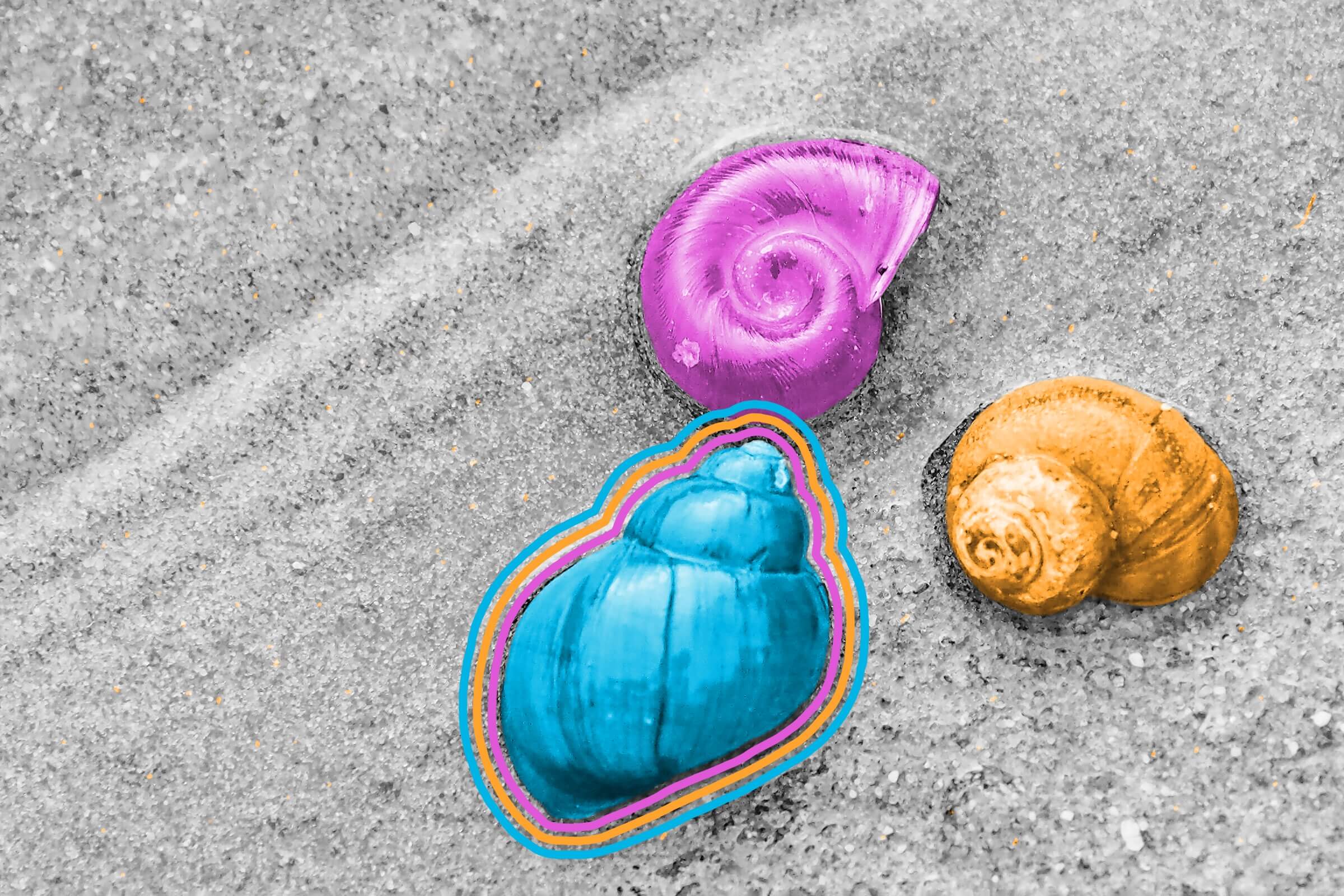
Nine out of 10 shells open to the right.

Regardless of where you find them — be it on a beach, along a riverbank, or in a garden — most shells share a common feature: 90% of them coil clockwise and open to the right. Mollusk shells with these right-oriented openings are called "dextral," while those with left-leaning apertures are designated "sinistral." (These terms can be applied to right- and left-handed humans, too; remarkably, left-handedness occurs in shells and humans at similar rates, with an estimated 10% to 12% of people worldwide being lefties.) 

Some marine life experts believe that just one gene impacts the direction a shell will coil. The rarity of sinistral shells has created a high-priced market for them — they're so sought-after among collectors that unscrupulous dealers have been known to peddle counterfeits. However, a few species of marine mollusks are predominantly sinistral. The most commonly known is the lightning whelk, a sea snail found in the waters of the Gulf of Mexico. Recognizable by their tapering brown, orange, and cream-colored shells, lightning whelks spend most of their lives submerged in underwater grass beds and at the bottoms of bays, feasting on clams and oysters. Some lighting whelks have reached record lengths of 16 inches — and most of these whoppers have openings pointing toward the left.

These Are the Rolls-Royce of Hearing Aids (And Under $100)

Shoppers are going nuts over these low-cost hearing aids that are virtually invisible. Discover how these affordable hearing aids are changing the lives of people every day.

Learn More

*This content is brought to you by our sponsor, which helps keep our content free.

Octopuses once had shells.

The lightning whelk is the official state shell of __.


The Simple Secret to Fresh-Smelling Laundry Every Time

Keep your washing machine fresh the easy way: one Splash Spotless tablet per month = consistently clean, great-smelling laundry. It's the simple solution busy households love.

Learn More

*This content is brought to you by our sponsor, which helps keep our content free.

Pearls are the only gems created by an animal.

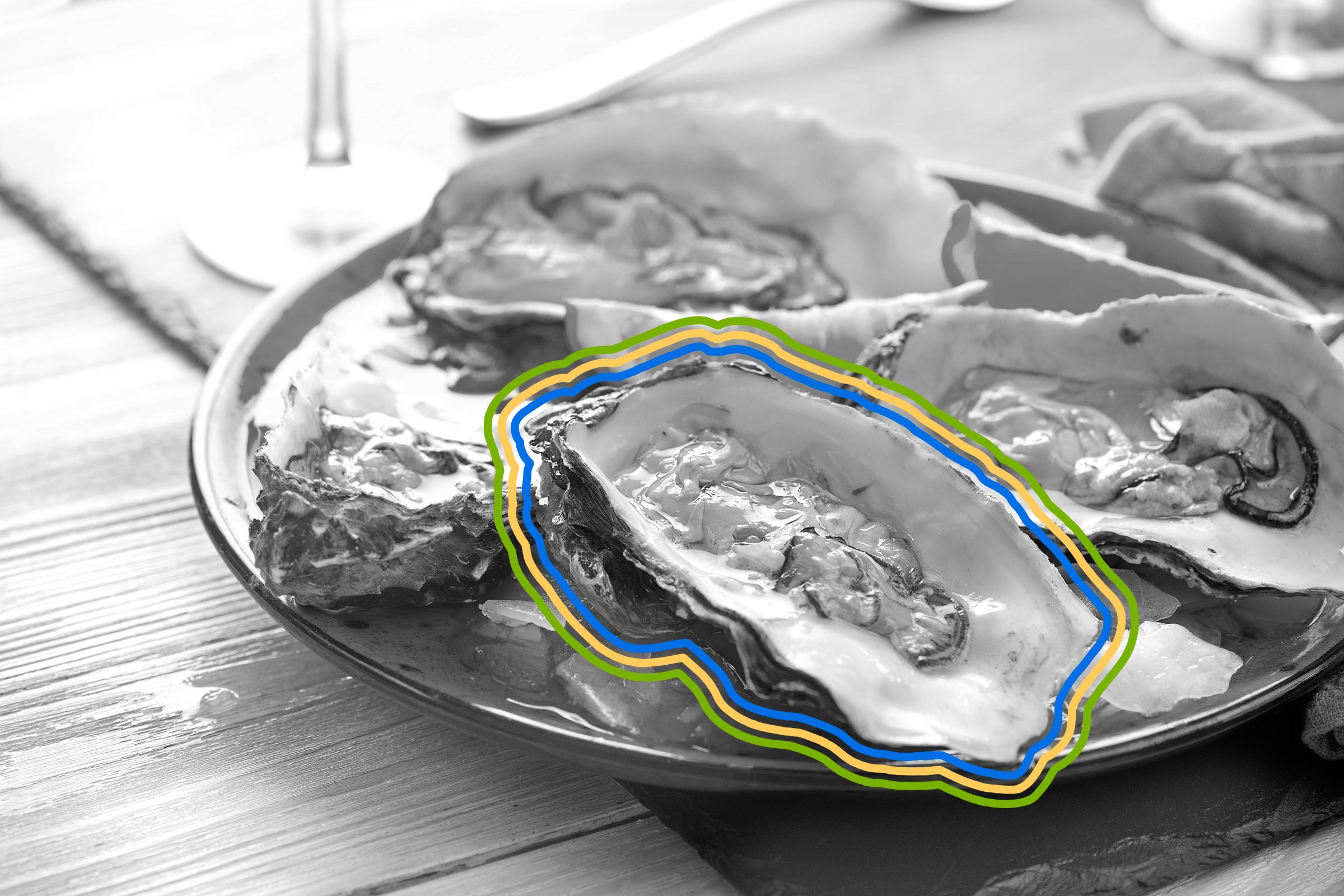
Beyond being a decadent dish, oysters are best known for their glamorous byproduct: pearls. While pearls are the only gemstone created by a living creature, oysters aren't the sole producer of these underwater jewels. All other mollusks can technically make pearls, as can some gastropods (aka sea snails, which produce rare melo pearls). The special spheres are formed thanks to an oyster's natural defense against lodged pieces of food or parasites, which trigger the animal to surround the irritant in layers of aragonite and conchiolin — the same substances that make up shells. These layers create a material called nacre (better known as mother-of-pearl), which has the smooth, opalescent sheen for which pearls are beloved.

Today's edition of Interesting Facts was written by Nicole Garner Meeker and edited by Bess Lovejoy.

 
We love to collaborate. To learn more about our sponsorship opportunities, please connect with us here.
325 North LaSalle Street, Suite 200, Chicago, IL 60654

Tidak ada komentar:

Posting Komentar

2 Days Left: Up to 75% Off 💫

Don't miss our sitewide sale. ͏  ͏  ͏  ͏  ͏  ͏  ͏  ͏  ͏  ͏  ͏  ͏  ͏  ͏  ͏  ͏  ͏  ͏  ͏  ͏  ͏  ͏  ͏  ͏  ͏  ͏  ͏  ͏  ͏  ͏  ͏  ͏  ͏ ...