12 Januari 2026

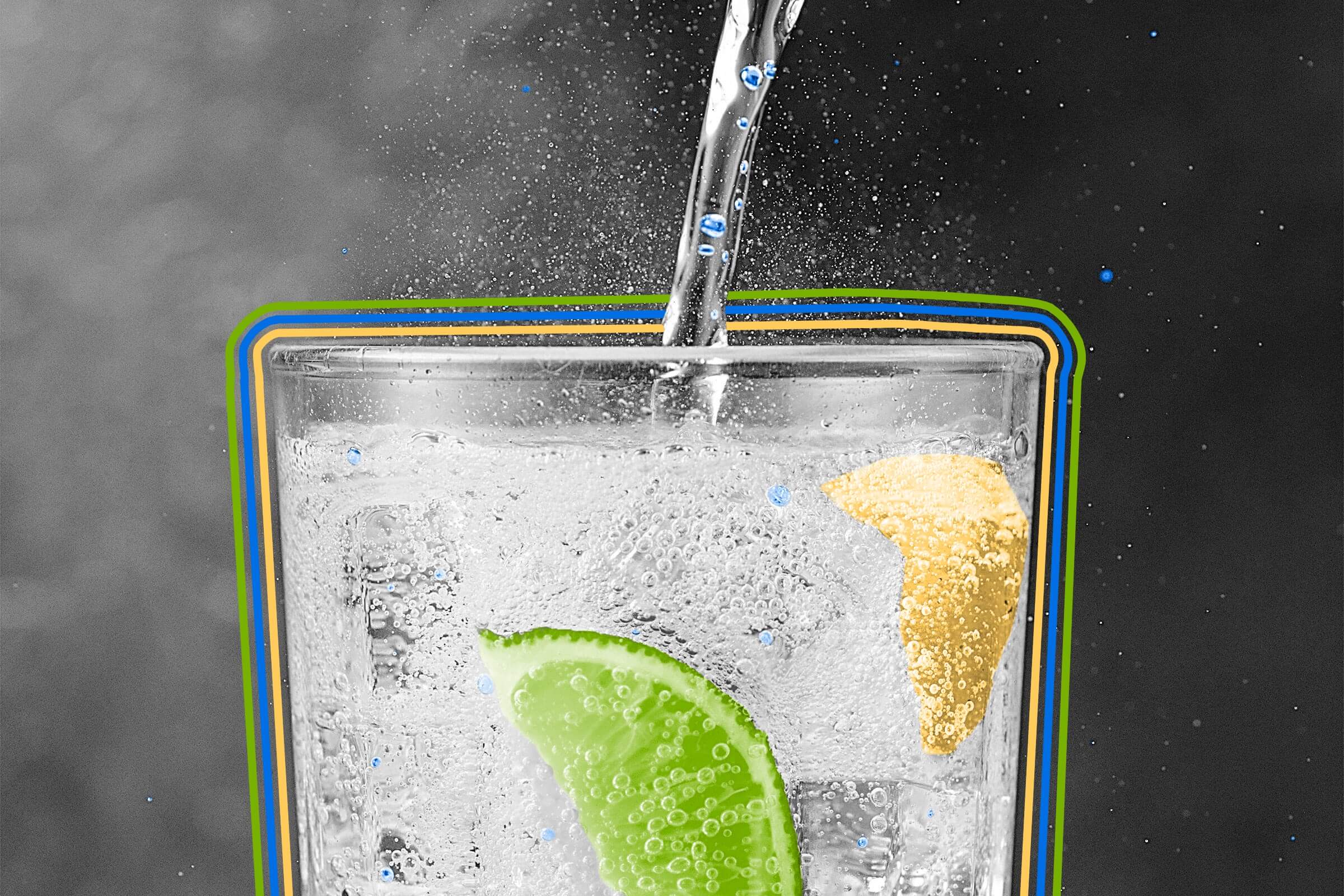
What common beverage glows in the dark?

Make every day more interesting. Each day a surprising fact opens a world of fascinating information for you to explore. Did you know that….?

January 12, 2026

Original photo by Slawek Tomas/ iStock

Tonic water can glow in the dark.

Tonic water is best known for adding a little bite to cocktails, though it has a hidden talent: It glows when exposed to ultraviolet light. While modern tonic waters often include citrus flavors or sweeteners to ease their bitter taste, the mix is traditionally crafted from just two ingredients — carbonated water and quinine, the second of which is capable of illumination. Quinine's ability to glow, technically called fluorescence, occurs only when the substance is exposed to the right conditions, particularly when its molecules absorb invisible ultraviolet light (such as that projected by a black light). The excited molecules then quickly release that energy, which appears as a blue hue to the human eye in a darkened room. 

Though tonic water is now a bar cart staple, its initial purpose wasn't enjoyment — it was to prevent and treat malaria. Quinine, which comes from the bark of the South American cinchona tree, was first used by the Indigenous Quechua people as a cure-all for stomach ailments; by the 1600s, Europeans had documented its fever-reducing properties. In the 1700s, Scottish doctor George Cleghorn discovered it could also effectively treat malaria. As the only known treatment for nearly 300 years, quinine was paired with water to create a "tonic" and distributed to British soldiers stationed in India and other malaria-prone regions. Some historians believe soldiers began adding the medication to gin and other alcohols to make the bitter flavor more palatable, eventually creating the "gin and tonic" drink we know today. However, other researchers suggest it wasn't until the 1860s that the classic drink emerged, served to victorious patrons at horse racing tracks in India.

Americans Born Between 1941 and 1979 Can Receive These 10 Benefits This Month

Your 50s are a prime time to build lasting wealth. If you've already nailed the basics — like retirement savings and smart shopping — here are some overlooked strategies that could take your finances even further.

Learn More

*This content is brought to you by our sponsor which helps keep our content free.

Malaria is found only near the equator.

The __, a small Australian marsupial, glows under ultraviolet light.


13 Ways To Supplement Your Social Security In 2026

Your 50s are a prime time to build lasting wealth. If you've already nailed the basics — like retirement savings and smart shopping — here are some overlooked strategies that could take your finances even further.

Learn More

*This content is brought to you by our sponsor which helps keep our content free.

The search for a quinine alternative created the first synthetic dye.

Quinine's legacy isn't just in the beverages we drink, but also in the clothes we wear. The medicine led one scientist to discover mauveine, a synthetic dye that lends its name to the shade of purple we call mauve. In the 19th century, getting ahold of quinine was costly, since the compound was created from cinchona tree bark imported from South America. Some researchers, like chemist William Perkin, attempted to create bark-free synthetic versions. One of Perkin's attempts, using a chemical called aniline, resulted in a goopy dark substance that didn't easily wash away. Realizing its staining abilities, Perkin patented the substance as the world's first synthetic dye — easier to use than natural dyes, and with the benefit of being more colorfast. Shortly after his discovery, Perkin opened his own textile dyeing factory, helping to launch a fashion craze that featured his newly created hue. Even Queen Victoria got in on the act, wearing a mauve-colored dress at the International Exhibition of 1862.

Today's edition of Interesting Facts was written by Nicole Garner Meeker and edited by Bess Lovejoy.

 
We love to collaborate. To learn more about our sponsorship opportunities, please connect with us here.
325 North LaSalle Street, Suite 200, Chicago, IL 60654
Advertisements powered by LiveIntent • AdChoices

Tidak ada komentar:

Posting Komentar

Your Entryway Table Needs This

Phone charger and tray, all-in-one. ͏  ͏  ͏  ͏  ͏  ͏  ͏  ͏  ͏  ͏  ͏  ͏  ͏  ͏  ͏  ͏  ͏  ͏  ͏  ͏  ͏  ͏  ͏  ͏  ͏  ͏  ͏  ͏  ͏  ͏  ͏  ͏  ...