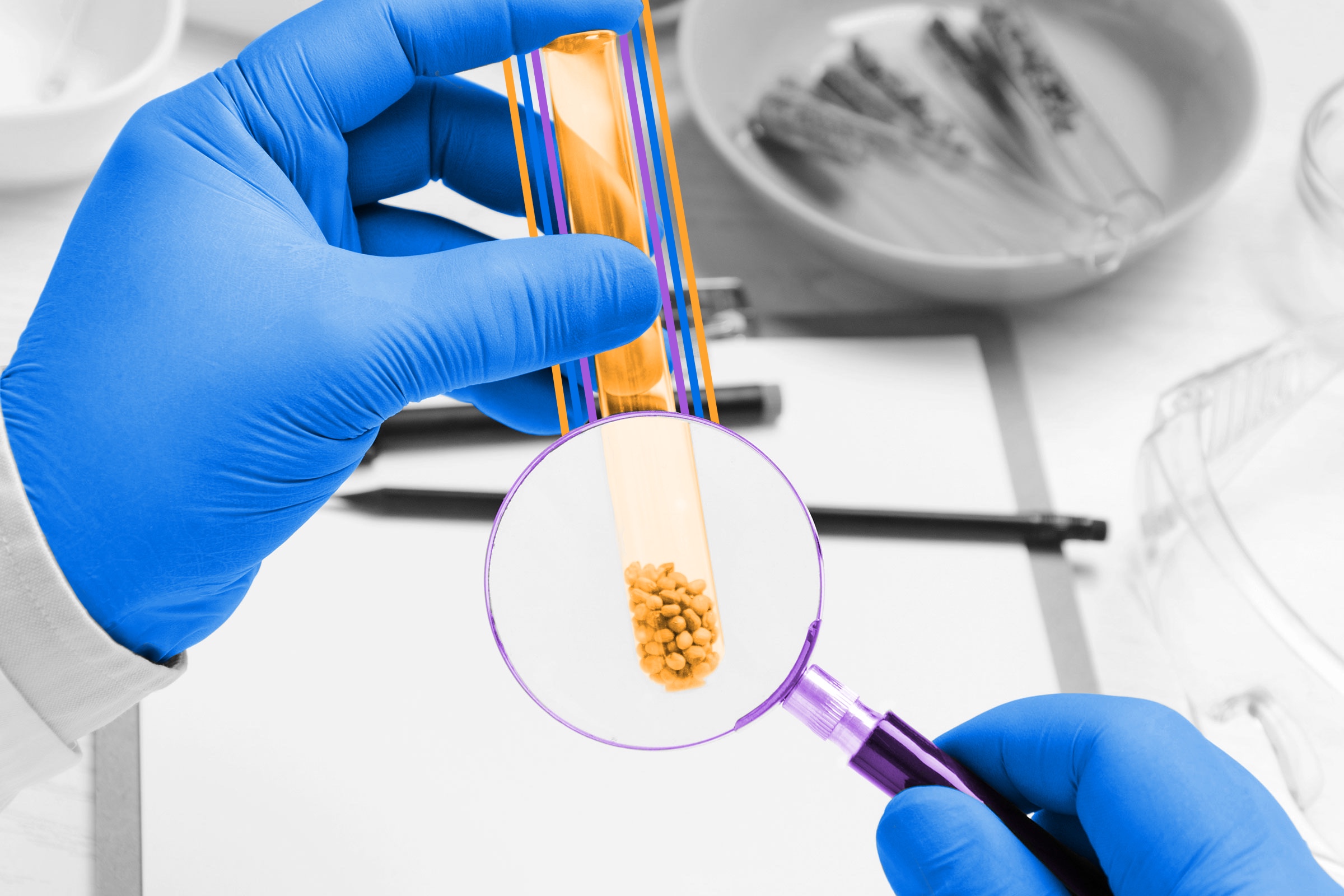
| Some researchers have seemingly turned back time 2,000 years just by planting ancient seeds. Amazingly, a Judean date palm seed that was unearthed at a dig site in eastern Israel in the 1960s is today a thriving tree called Methuselah, named for the long-lived biblical patriarch. Archaeologists working at the ancient fort of Masada unearthed a handful of date palm seeds, using two for radiocarbon dating to confirm their age. The remaining excavated seeds sat in storage until 2005, when researchers at Israel's Arava Institute took a chance on planting three of them. Only one of the seeds germinated, springing to life as the sole living example of its species, which likely went extinct around 500 CE. The experiment encouraged scientists to attempt more ancient plantings with date palm seeds found at other dig sites, and today the ancient-yet-young Methuselah has at least six companions that are as old as the Dead Sea Scrolls. Methuselah has since grown into a healthy tree, making pollen that has successfully fertilized modern date trees and produced fruit. However, it's not the oldest surviving seed to get a second chance. In 2012, Russian scientists unearthed 32,000-year-old seeds from Siberian permafrost. After extracting frozen plant tissue from the delicate seeds, researchers were able to successfully germinate and grow a relative of the modern-day S. stenophylla, aka the narrow-leafed campion — an achievement that could point the way to reviving other plants frozen in time. | 





Tidak ada komentar:
Posting Komentar