When are redundancies ok? | | Sometimes a writer gets caught up searching for the perfect word and they end up saying the same thing twice — like "new innovations" or "revert back." English is full of these redundant expressions, hiding in plain sight until you learn to spot them. | |  | Rachel Gresh |
|
| |  | | T he evening news is scattered with buzzwords used for dramatic effect, but one phrase recently caught my attention. A news anchor announced a "major breakthrough" in a case, and I wondered: Is there any other type of "breakthrough?" By definition, a breakthrough is "a sudden, dramatic, and important discovery or development." Calling it "major" repeats what's already implied. Subtle redundancies like this can trip up even experienced writers.
Once I tuned into this kind of redundancy, I noticed more throughout news broadcasts. A report mentioned a "protest against" a new school board budget — but a protest is, by definition, a demonstration against something. Then came talk of "new innovations" in public transportation, another redundancy because innovations are inherently new.
Redundancies aren't limited to TV news, of course — they're everywhere, especially in advertising. Take the classic "free gift with purchase" offer. Gifts are free by definition, so you don't really need that first word. Other everyday examples include "blend together," "revert back," "absolutely certain," and "new beginning." Here, the words "together," "back," "absolutely," and "new" serve no real purpose; they're simply reiterating the definition. Why have these phrases persisted in the English language when the colloquial trend is to abbreviate or turn phrases into acronyms? As it turns out, we all use redundancy for emphasis, whether in national news headlines or texts between friends.
So, is using redundant phrases wrong? Not necessarily, but it depends on the context. In casual, creative, or emotional writing, redundancy can enhance tone, rhythm, or interest. Think of the fairy-tale line "forever and ever." While redundant, it's stylistically meaningful. The key is knowing when your audience will appreciate redundancy and when it might be distracting. As for formal and technical writing, follow the style guides and trim excess by avoiding redundancy. |
|
| | Advertisers help keep Word Smarts free | |
Emoji Decoded | | 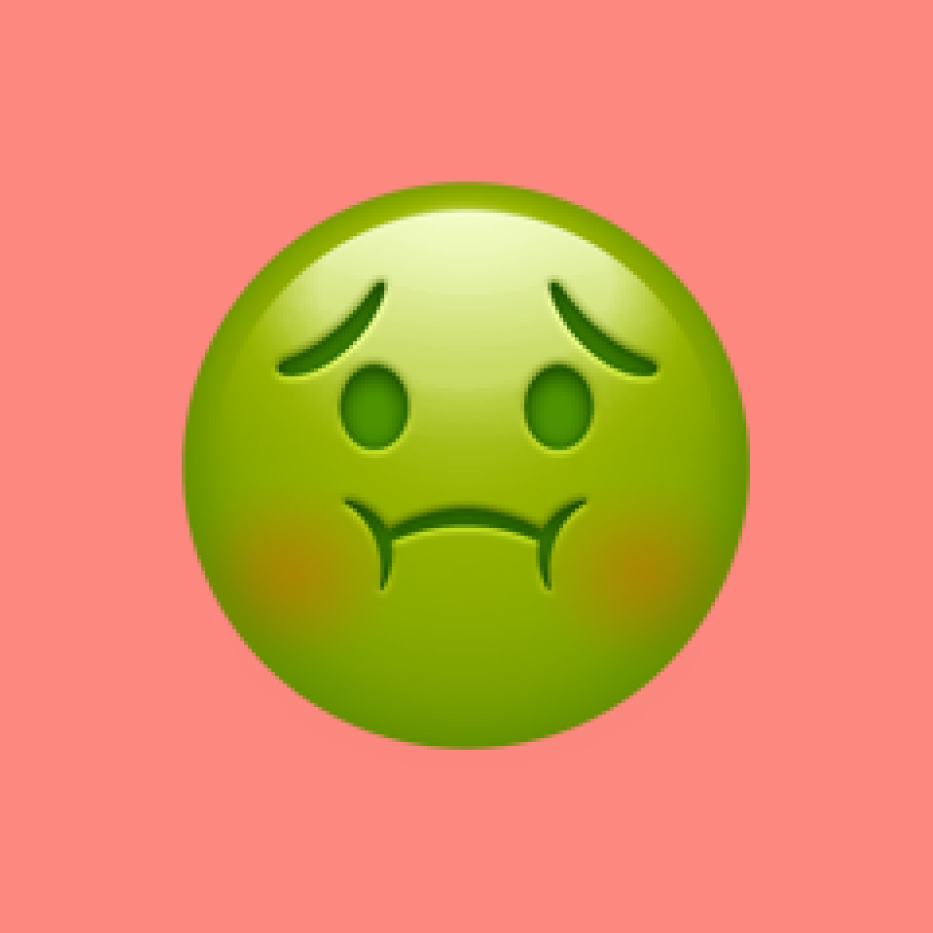 | | Nauseated Face | | | Meaning: Indicates nausea or disgust.
Evolution: While this emoji is the representation of the phrase "feeling green around the gills," meaning nausea, it's more often used to represent a sense of disgust.
Usage: [Text:] I totally forgot the leftovers in the car last night and they're so gross now 🤢 🚗 🤢 |
|
| | Nauseated Face | | | Meaning: Indicates nausea or disgust.
Evolution: While this emoji is the representation of the phrase "feeling green around the gills," meaning nausea, it's more often used to represent a sense of disgust.
Usage: [Text:] I totally forgot the leftovers in the car last night and they're so gross now 🤢 🚗 🤢 |
|
| |
Have you read? | | 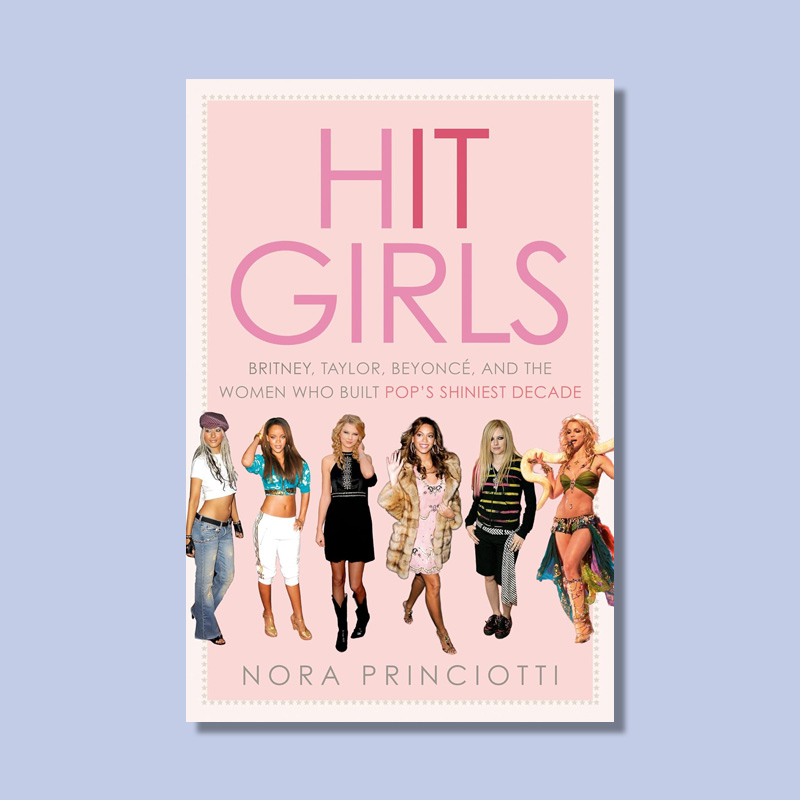 | | Hit Girls | | By Nora Princiotti | | Nothing says "Y2K" like the pop stars who defined the decade. After grunge broke the mold of the music industry in the 1990s, a return to glittery pop was due, with Britney Spears leading the pack. But it wasn't only pop dominating the charts. In "Hit Girls," Nora Princiotti explores the genres women in music were exploring at the turn of the millennium, from punk to rave to country, and why the stars still fascinate us. | | | | Julia Rittenberg, Word Smarts Writer | | | | We independently evaluate all recommended products and services. If you click on links we provide, we may receive compensation. |
|
| | Hit Girls | | By Nora Princiotti | | Nothing says "Y2K" like the pop stars who defined the decade. After grunge broke the mold of the music industry in the 1990s, a return to glittery pop was due, with Britney Spears leading the pack. But it wasn't only pop dominating the charts. In "Hit Girls," Nora Princiotti explores the genres women in music were exploring at the turn of the millennium, from punk to rave to country, and why the stars still fascinate us. | | | | Julia Rittenberg, Word Smarts Writer | | | | We independently evaluate all recommended products and services. If you click on links we provide, we may receive compensation. |
|
| |
You might also like | |  | | | | Are You Feeling "Anxious" or "Eager"? | | "Anxious" and "eager" describe anticipation, but in different emotional states. If you've ever misused them, don't worry — your favorite authors probably have, too. |
| | | |
| | Advertisers help keep Word Smarts free | |
|


Tidak ada komentar:
Posting Komentar